


As AI drives an unprecedented surge in power demand, natural gas is the fastest resource to build to meet it. For climate-conscious hyperscalers, carbon capture is supposed to help clean up the emissions.
But gas power with CCS won’t be ready in time to ride the AI wave this decade. Only ~37% of announced gas power with CCS capacity looks likely to be online by 2030. The constraint is storage access and signed offtake. Hyperscaler interest has not yet translated into contracts at scale.
These are the main findings from Sightline Climate's first ever Carbon Outlook, released today. We track what’s moving across CCS and DAC and what’s stalling. Each quarter, we’ll update this with fresh project data, contract activity, policy shifts, and a de-risked view of what’s realistically coming online.
What's driving the Q1 2026 carbon industry
We're keeping tabs on two main market drivers at the moment:
(1) how CBAM is reshaping industrial investment decisions and driving CCS project development
(2) whether hyperscaler interest in gas with CCS will turn into real offtake
CBAM is the heavy-hitter shaping industrial CCS demand. In 2025, 80% of new capture capacity came from just two projects in cement and ammonia. Importers in these sectors are exposed to EU carbon penalties and moving first, while European producers are lining up storage and capture to defend competitiveness.
That concentration tells you something important: CCS is not scaling because of net-zero pledges. It’s scaling where policy changes the math.
Cement and ammonia producers selling into Europe face immediate exposure to carbon tariffs. For them, capture is a way to preserve margin and market access. The result is a pipeline that looks healthier in industrial clusters with storage access and clear trade incentives than it does in power markets.
Gas power with CCS is the opposite story. It dominates announcements, but it also dominates delays. Developers have lined up capture technology providers and, in many cases, storage partners. What they don’t have are revenue contracts.

What you need to know
Gas power is CCS’s most challenging application. Despite being the most talked-about segment, gas-fired power is structurally difficult for carbon capture. CO2 concentrations are lower than in industrial applications like ammonia or natural gas processing. Plants are geographically dispersed, sited near demand rather than in industrial clusters. That makes transport and storage coordination harder and more expensive. Technologies that perform well in high-purity streams face tougher economics in gas.
Storage, not capture, is the bottleneck. Capture projects cannot operate without storage. Storage projects require years to develop and high upfront capital. When utilization is low, per-ton storage costs rise, and we’re already seeing those costs increase. Without accessible, affordable storage, even well-designed capture projects stall.
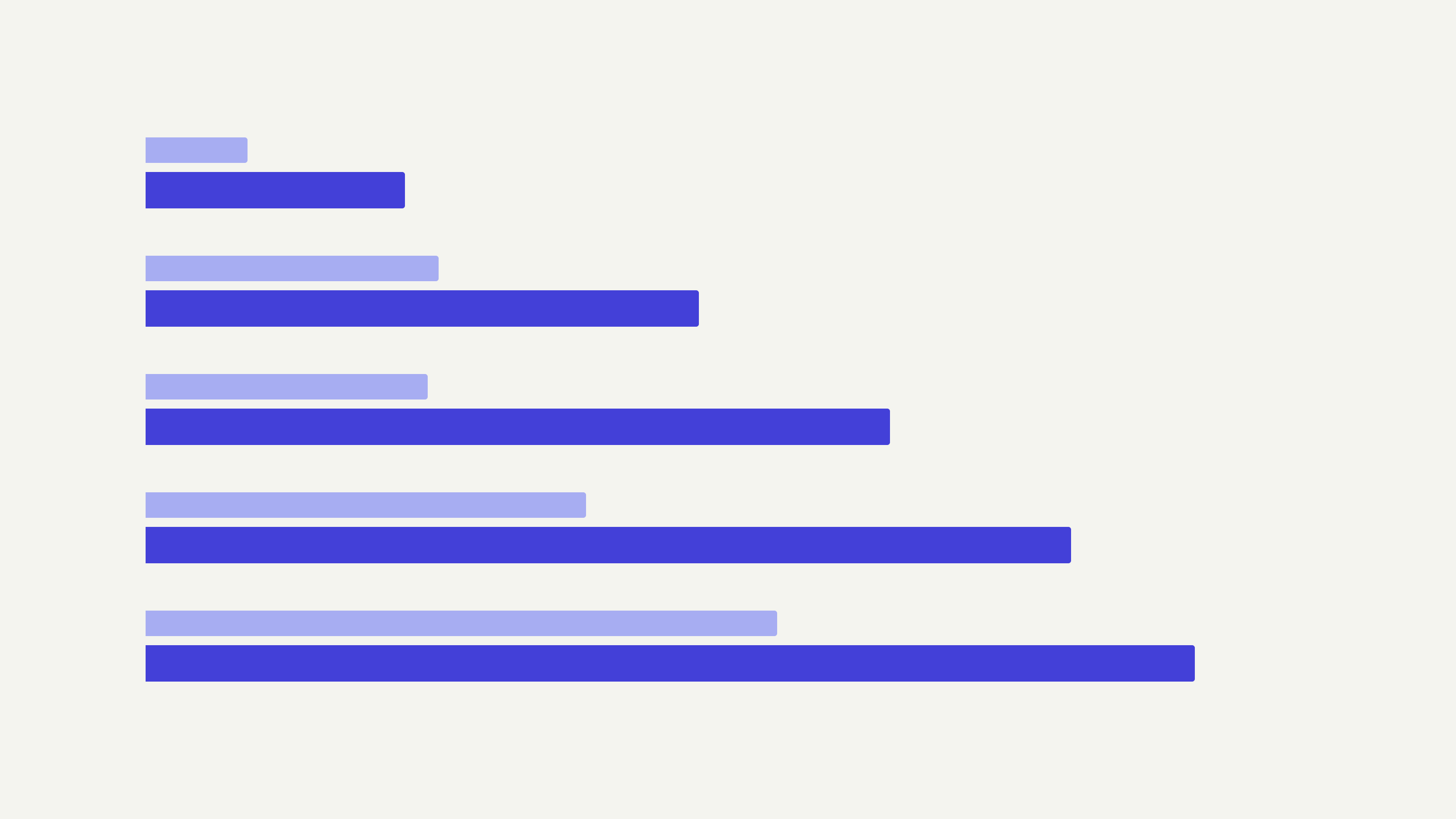
Headlines overstate delivery. Across gas power with CCS and DAC, the de-risked pipeline is materially smaller than the announced pipeline. Roughly 37% of gas power with CCS and about half of DAC capacity is likely to come online by 2030 under current conditions.
Industrial CCS is moving first. Where policy directly affects competitiveness, projects are advancing. Cement and ammonia are early movers because the trade exposure is immediate and measurable.

What we're watching
DAC’s first large-scale test. The Stratos project, already delayed, will be an important signal. If further delays point to fundamental technical issues, confidence in the broader DAC pipeline will weaken. If the challenges prove to be supply chain and execution friction, that’s a different story.
Hyperscaler demand translating into real offtake. Many data centers are discussing “CCS-ready” gas plants. Few have committed to long-term contracts that include capture from day one. Another agreement like Google's Google’s Broadwing PPA would materially change the financing outlook for gas with CCS.
Project delays tied to storage access and cost. We are closely tracking whether projects cite storage constraints or rising injection costs as reasons for delay or cancellation, particularly in near-term European hubs where multiple capture projects depend on shared infrastructure.
Acquisitions in carbon accounting. As CBAM costs come in higher than expected, detailed emissions reporting becomes a competitive advantage. Producers that can accurately document lower embedded emissions can reduce tariff exposure. That dynamic is likely to drive more M&A and investment in carbon accounting platforms and verification infrastructure.
What this means
First, the AI boom does not override project fundamentals. Power demand alone does not close financing gaps, accelerate storage timelines, or substitute for long-term contracts.
Second, policy clarity matters more than corporate ambition. Where carbon is repriced through trade mechanisms like CBAM, investment decisions follow quickly. Where revenue certainty is absent, announcements accumulate but construction lags.
Third, infrastructure sequencing will define the next decade of CCS. Without coordinated buildout of transport and storage, capture capacity will remain constrained. The projects that advance will be those embedded in hubs, backed by contracts, and aligned with policy-driven demand.
CCS will scale where the economics are forced into alignment. The AI boom may increase urgency, but it will not, on its own, save the project pipeline.
Client-only report
The full Q1 Carbon Outlook, including detailed project data, de-risked pipeline analysis, and sector breakdowns, is available to clients here.
If you're interested in becoming a client, talk to our team here.

.png)