

In the heart of data center alley, on 2 May, Virginia Governor Glenn Youngkin signed a new bill into law: the Community Energy Act, which requires utility Dominion Energy to aggregate 450MW of distributed energy resources into a virtual power plant (VPP) pilot program. They need to get the plans in place by December this year, and the program will run through 2028.
On its face, this seems like something Dominion should want, and maybe would have even lobbied for. Why? On its earnings call a day earlier (on 1 May), Dominion talked about stable, growing demand for power from data centers and went over detailed growth plans to meet this demand. This included project updates and financial models to make the rate case.
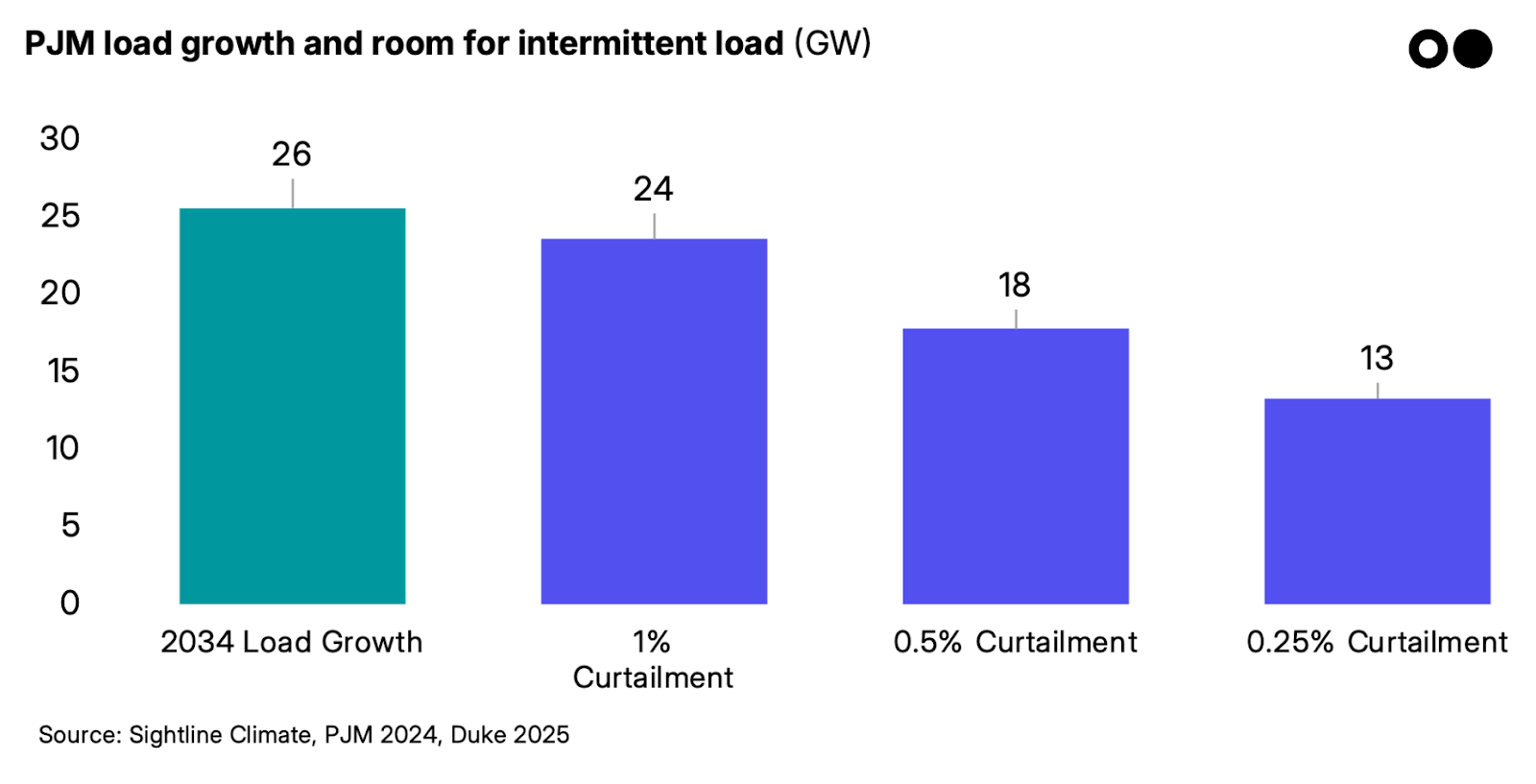
To this end, a VPP would seem to make sense—it can add capacity and flexibility to the grid in the short term without building new generation capacity, which takes time. Essentially, a way to buy Dominion time.
But the reality has at least two wrinkles. The first wrinkle is the actual scale and logistics of the VPP - 450MW is a big pilot. In fact, if successful, it would be among the largest VPPs in the world, close behind California’s 515MW Demand Side Grid Support program. And unlike existing VPPs, much of the capacity will have to come from industrial and commercial customers.
Let’s do some back-of-the-envelope math (cracks knuckles) to see why.
- California’s Demand Side Grid Support program has enrolled 515MW of capacity from 265k participants. That’s 1.9kW per participant, with only 2% of households participating (265k enrolled out of 13m total).
- Dominion serves 2.7m customers in Virginia. To aggregate 450MW of capacity, it would need 1.7kW of capacity per participant if it could enroll 10% of customers. If it only enrolled 2%, like California, it would need 8.3kW per participant. But the typical American household’s average power draw of 1.2kW – so that’s huge comparatively.
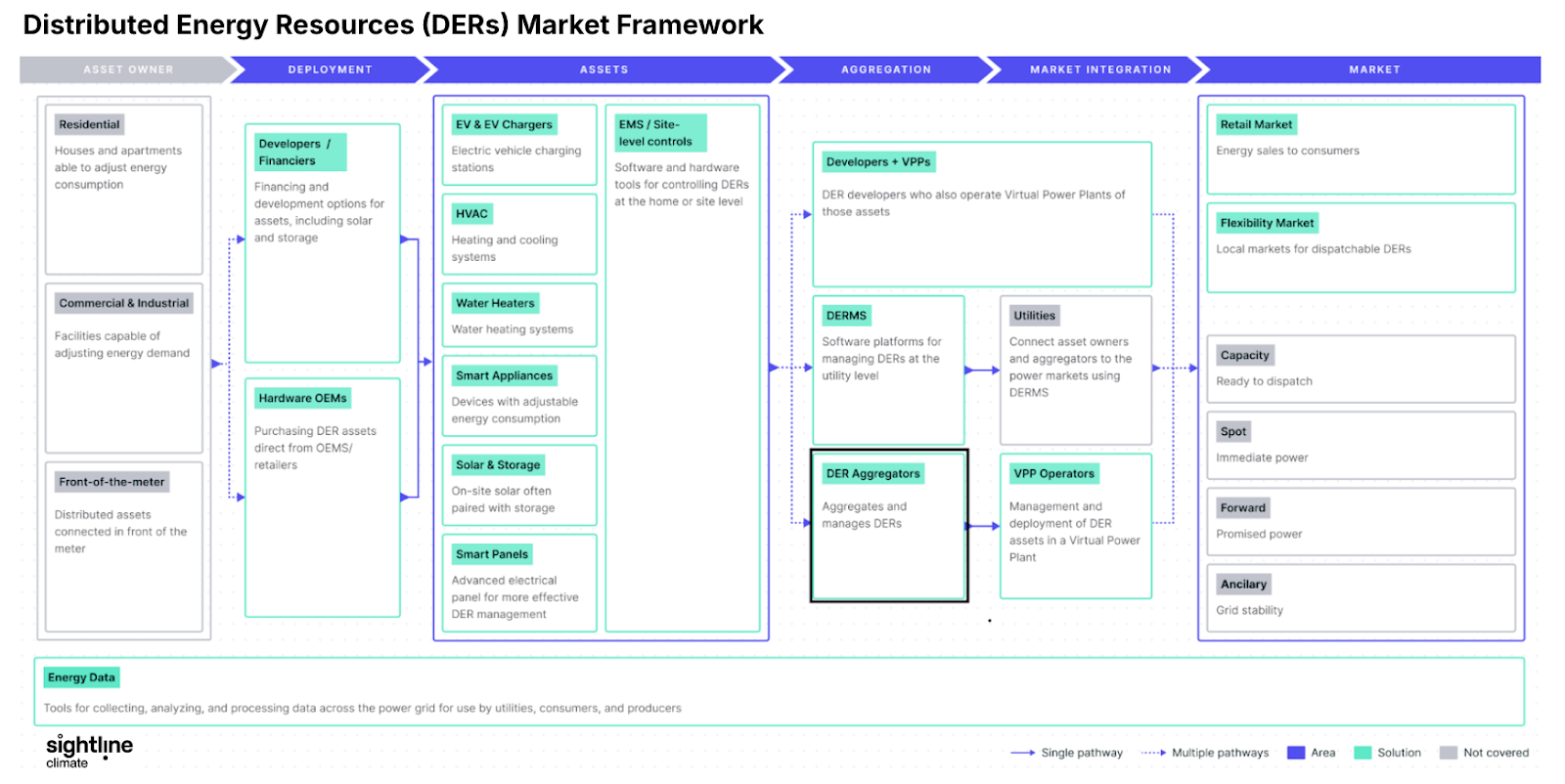
But, commercial and industrial customers account for two-thirds of Virginia’s electricity use and are eligible for the pilot program. Dominion would need to go beyond the typical residential VPP playbook, which uses smart thermostats and EV charging, to enroll and manage these customers.
The second wrinkle is the higher-level strategic angle for Dominion. Regulated utilities make money by building stuff—power plants, transmission, substations, etc.—getting the cost approved by regulators, and charging customers for it over time, along with a return. So the first challenge is that VPPs are not all that capital-intensive, especially compared to a nuclear plant or, in Dominion’s case, the first major offshore wind farm in the US, so not necessarily the money-maker. Building a VPP would likely involve Dominion having to work with a third party like Leap or Voltus. It would introduce complexity in its operations, having to monitor and manage thousands of DERs, and it could introduce turf challenges in what’s been a pretty solid monopoly in Virginia.
So given these wrinkles, it seems a bit more likely that Dominion did not lobby for this, but at the same time, could still turn it into a strength.
1. Take control.
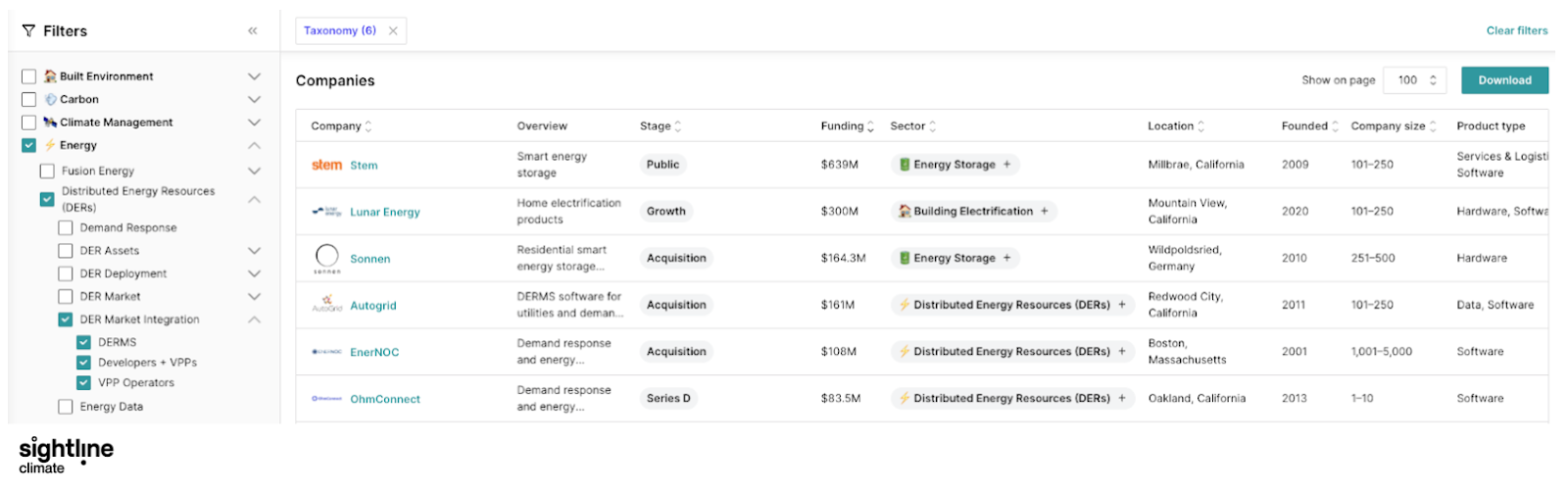
This law is good news for VPP aggregators. One strategy Dominion could pursue here is buying a company. This lets the company integrate the capability while not ceding sole control of the market. This has been done before with Southern buying PowerSecure. On the other hand, Xcel and Duke have chosen to build-out VPP platforms internally. Check-out VPP players on the Sightline market map here.
Here’s who might be big enough to be a serious partner for Dominion.
2. Get flexibility, buy time.
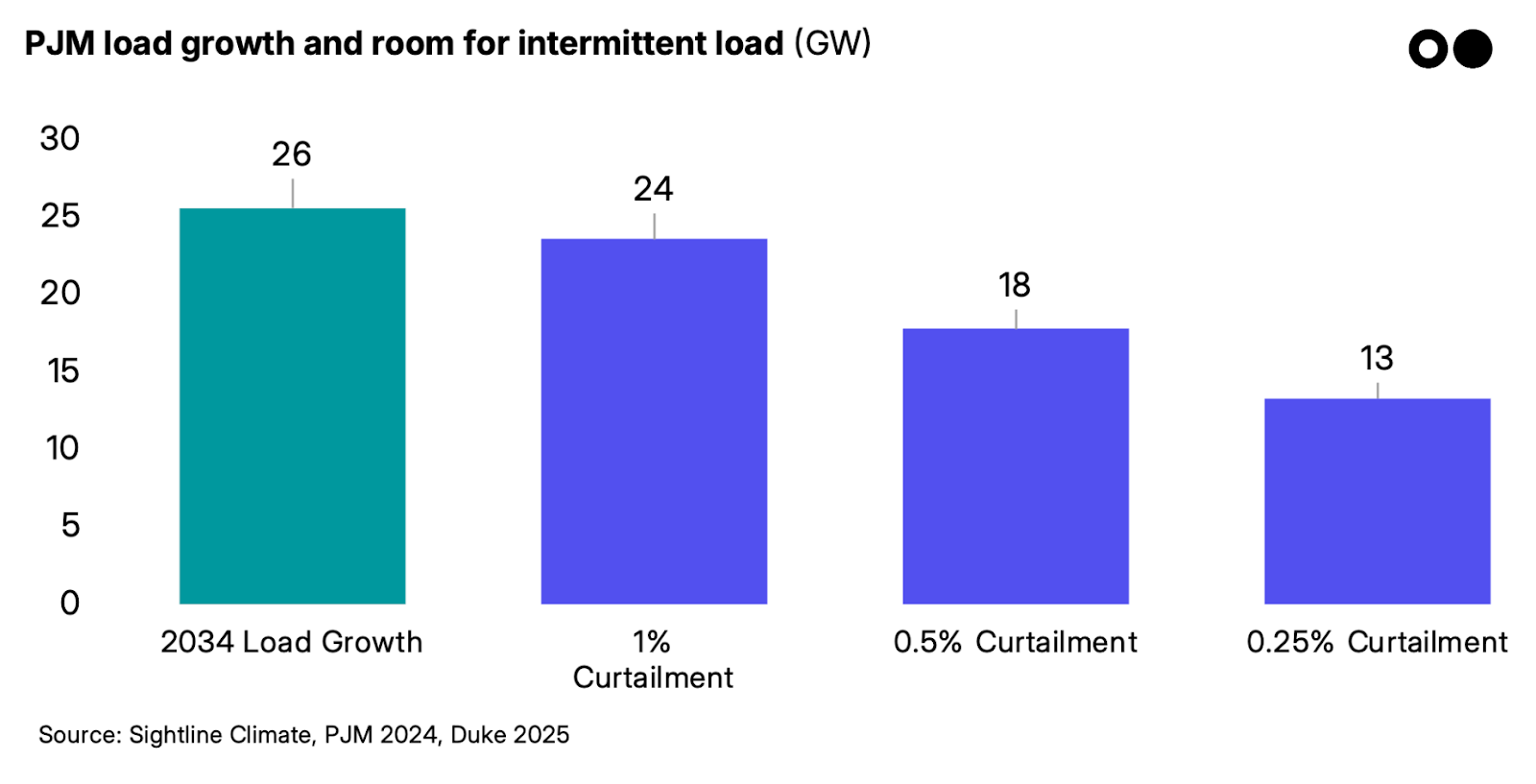
Dominion could do the bare minimum to comply with the law, piloting the tech and then dropping it quietly. But its best play might be to double down on the VPP once it has it, increasing flexibility to meet short-term demand and buying time to build out the generation assets that are its (rate-based) bread and butter. Check out our Sightline on how flexibility can boost data center interconnection: New load? No problem*
3. Own the future.
VPPs seem to be a growing trend as companies try to squeeze all the juice they can out of the grid we’ve got. There’s a world where Dominion gets VPPs approved as infra costs and can add this to its rate base. And it seems to be the case that if you’re considered innovative and as working in the best interest of the customer, you can get more rate cases approved. Check out our Sightline on Google’s new innovative rate structure here: Nevada regulator approves Google’s clean power data center tariff.
Maxing out the grid by interconnecting data centers, then rate-basing the generation to serve them, seems to hinge (by law) on Dominion’s ability to get creative. And looking across the market, utilities may find themselves facing the same playbook - or the same trap.


.png)